Winter in Kamakura|A Quiet Detour for Grown-Ups
As someone who grew up and lived in this area for over thirty years, I’d like to suggest a simple day trip around Kamakura.
When visiting Kamakura, it’s best to travel light — both in plans and expectations.
Come as you are, without dressing up or trying too hard.
This town feels most comfortable when approached in a natural, unhurried way.
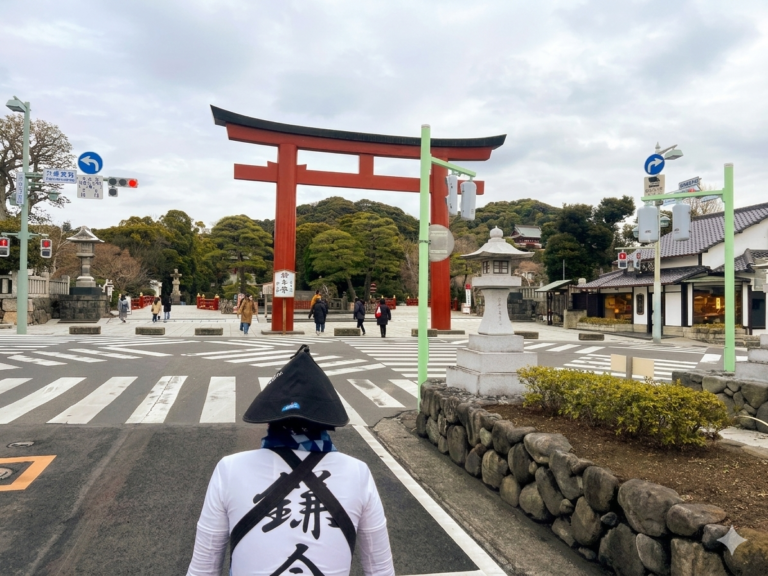
Kamakura shows a different face in every season, but winter reveals a particular warmth unique to this place.
There is something calming about being here — a sense of ease that gently slows the mind.
Historic streets, quiet neighborhoods, and a varied landscape have settled into harmony over a long stretch of time.
Perhaps that is why Kamakura invites us not to rush, but to move at its own pace.
A Hidden Base for Adults, Just Outside Tokyo
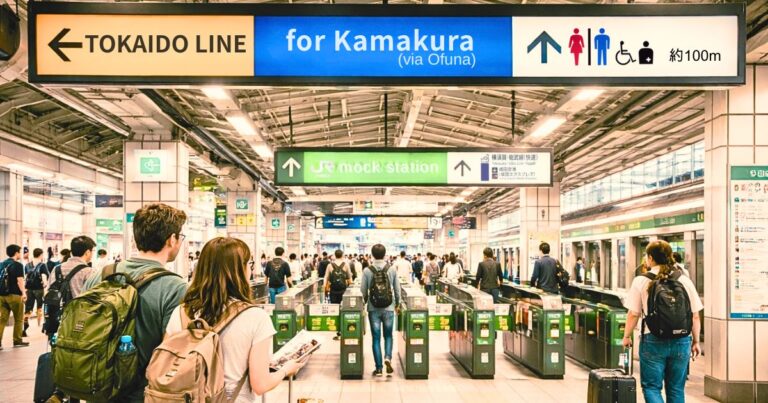
Only 45 minutes from Tokyo, Kamakura is close enough that many people pass it by without stopping.
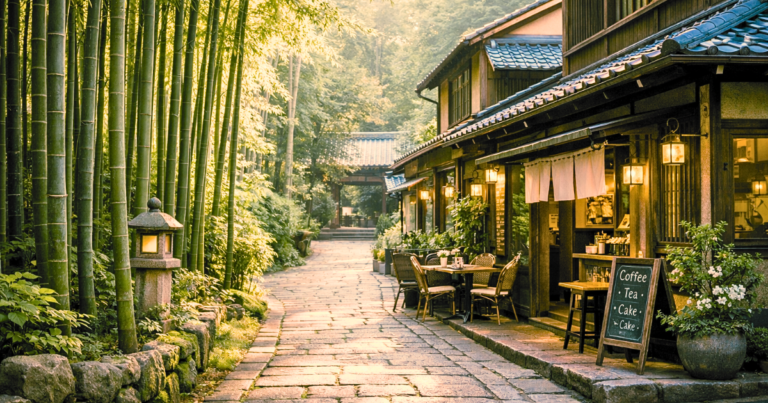
Yet its true charm lies beyond the well-known landmarks — in narrow side streets, small paths, and moments you don’t plan for.
Step away from the busy main roads, and a quieter world opens up.
It feels like discovering something personal, almost secret, as if the town is revealing itself only to those willing to wander.
Kita-Kamakura|A Quiet Walk Toward Meigetsu-in
Kita-Kamakura feels less like a tourist destination and more like an extension of everyday life.
Walking from the station toward Meigetsu-in, the surroundings gently close in, and your steps naturally slow.
Zen here is not something displayed or explained.
It lives quietly in the rhythm of daily life.
In the clear winter air, that stillness becomes even more noticeable.
Kamakura|Where Cultures Overlap
Kamakura continues to attract people not only because of its history.
Old and new, local and foreign influences exist side by side, without forcing harmony.
Surrounded by mountains on three sides and open to the sea in front, the land itself has shaped this balance.
Rather than chasing famous sights, you may find yourself wanting simply to walk — noticing subtle shifts in atmosphere along the way.
In winter, Kamakura quietly communicates its sense of wabi-sabi —
a Japanese appreciation for simplicity, imperfection, and the beauty of things as they are.
As a Small Luxury Detour
Kamakura doesn’t require anything special to feel fulfilling.
Leave the crowded streets behind with just one turn, and a calmer world appears.
For those moments when you want a modest but meaningful detour,
there are few places that feel quite as right.
Not special, but always there.