The Hidden Meaning of “Kamakura”: Why Geography is the Key to Its Name
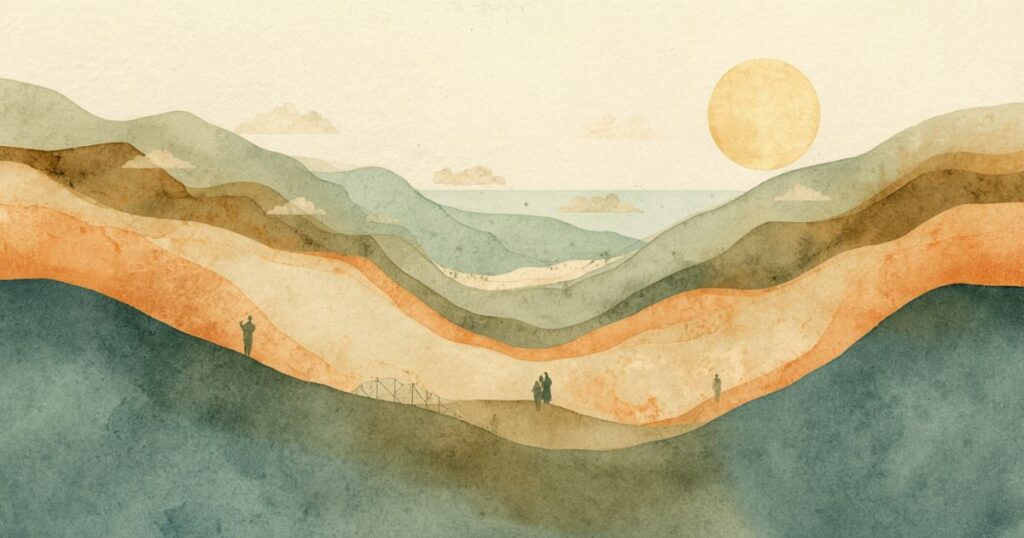
Unlocking the Secrets of Kamakura: What’s in a Name? ⛩️
When traveling through Japan, looking beyond the beautiful shrines and temples can reveal a deeper layer of history. Understanding the origins of place names—known as chimei—is a fantastic way to upgrade your travel experience and gain a profound insight into the Japanese soul.
Today, let’s look at one of Japan’s most popular coastal cities: Kamakura.
What does “Kamakura” mean in Japanese?
The name Kamakura is written with two kanji characters: 鎌 (Kama) and 倉 (Kura).
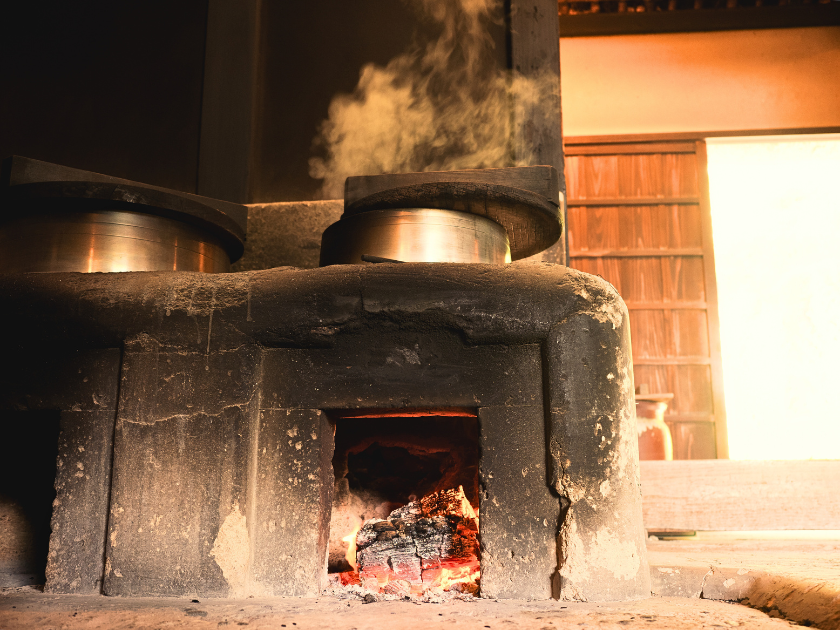
- “Kama” literally means a sickle, but in this case, it refers to a Japanese traditional cooking stove “kamado“.
- Kura literally means a “storehouse,” but here it signifies a valley or a “hidden place.”
Geography as Destiny
The name perfectly describes Kamakura’s unique natural fortress. The city is surrounded by mountains on three sides (East, West, and North), with the South side opening up to the sea.
To the ancients, this shape resembled a traditional cooking stove—enclosed on most sides like a “Kura” (storehouse) but with one side open. This natural “stove-like” bowl made Kamakura an ideal, easily defensible capital for the Samurai government centuries ago.
Next time you’re hiking the hills of Kamakura or sitting on Yuigahama Beach, imagine yourself inside that giant stone stove!